
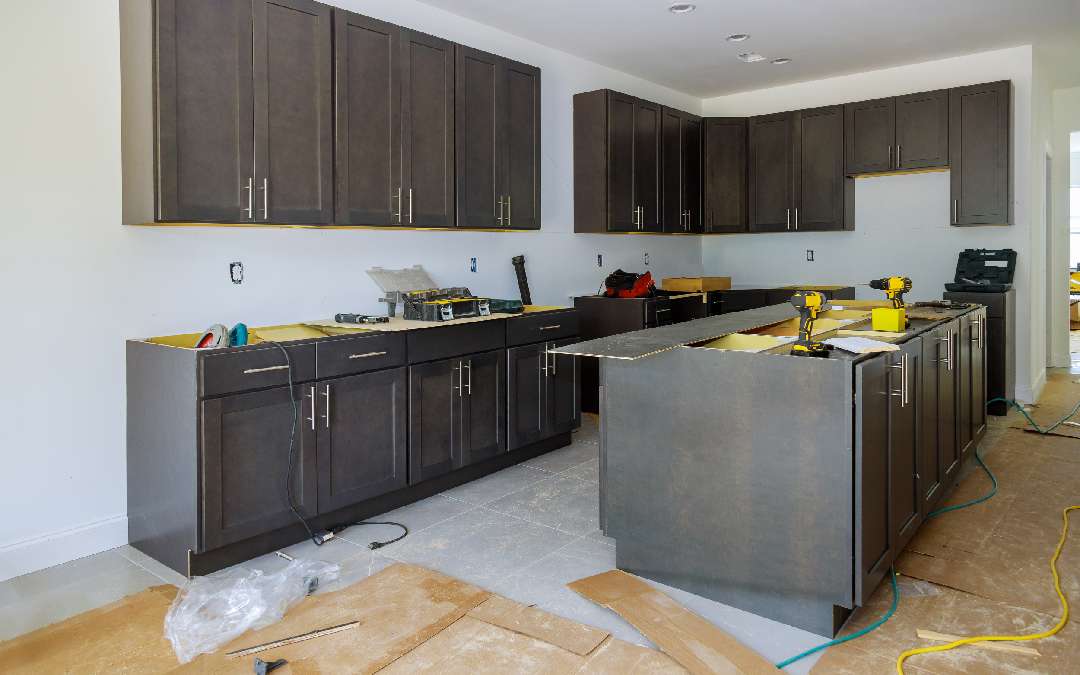
Taking on home improvement projects can be rewarding, cost-effective, and genuinely satisfying, but only when the right safety precautions for DIY work are in place from the start. Whether tackling a simple repair or a more involved renovation, the risks are real and often underestimated. Accidents happen most frequently when preparation is rushed or shortcuts are taken, which is why approaching every project with a clear safety mindset is just as important as having the right tools.
Why Safety Precautions for DIY Projects Should Never Be an Afterthought
Every DIY project, involves tools, materials, and environments that carry potential hazards. A painting job could become a fall risk. A simple plumbing fix may turn into a water damage situation. Electrical work done incorrectly can create fire hazards that aren’t immediately obvious. The goal of every home improvement project is to improve your living space without creating new problems, and that goal starts with treating safety as a non-negotiable foundation rather than an optional add-on. The good news is that most DIY accidents are entirely preventable. With the right preparation, proper equipment, and a willingness to know your limits, homeowners can complete a wide range of projects confidently and safely.
Start With Proper Planning and a Clean Workspace
The most effective safety precautions for DIY projects begin before the first tool is picked up. Understanding the full scope of the work, gathering everything you’ll need, and reading through instructions or watching instructional videos beforehand significantly reduces the chance of mid-project surprises that lead to rushed decisions and mistakes. Your workspace matters as much as your preparation. A clean, well-lit, and obstacle-free environment is essential for safe DIY work. Clutter on the floor creates trip hazards. Poor lighting leads to missed details and misaligned cuts. Before starting any project, clear the area, ensure adequate lighting, and create a designated spot for tools so they’re never left where someone may step on or trip over them.
Use the Right Tools and Protective Equipment
Using the correct tool for each task is a core safety precaution for DIY work. Improvising with the wrong tool increases the likelihood of both poor results and injury. Make sure all tools are in good working condition before use, and replace or repair anything that shows signs of damage or wear. Personal protective equipment should be treated as mandatory, not optional. Safety glasses protect against debris and splatter. Work gloves reduce the risk of cuts and abrasions. Appropriate footwear protects against dropped tools and slippery surfaces. Hearing protection matters during extended use of power tools. The few seconds it takes to put on protective gear are always worth it.
Safety Precautions for DIY Electrical and High-Risk Work
Electrical projects demand a higher level of caution than most DIY tasks. Before touching any wiring or electrical component, turn off the power at the breaker and verify with a non-contact voltage tester that the circuit is actually dead. Use insulated tools throughout, and never work on electrical systems in wet or damp conditions. If at any point a project feels outside your knowledge or comfort level, stop and call a licensed electrician. The same principle applies to structural work, gas lines, and any project that could compromise the safety of the home if done incorrectly. Recognizing when a project exceeds your skill is one of the smartest safety precautions homeowners can exercise.
Work at a Steady Pace and Know Your Limits
Rushing is one of the most common causes of DIY accidents. Time pressure leads to skipped steps, careless tool handling, and poor decisions. Work at a pace that allows you to do each step properly, and take breaks when fatigue sets in. A tired mind and tired hands are significantly more prone to mistakes. Understanding the boundaries of your skill set is equally important. Many projects are genuinely achievable for motivated homeowners with the right preparation. But some tasks require professional expertise. Knowing the difference protects you, your family, and your home.
Frequently Asked Questions (FAQs)
What are the most important safety precautions for DIY projects?
Proper planning, using the correct tools in good condition, wearing appropriate personal protective equipment, maintaining a clean and organized workspace, and knowing when to call a professional are the foundational safety precautions for any DIY project.
Is electrical work safe to tackle as a DIY project?
Basic tasks like replacing an outlet or installing a light fixture are manageable for experienced DIYers who follow proper safety protocols. More complex work involving panels, wiring runs, or anything unfamiliar should always be handled by a licensed electrician.
How can I prevent injuries during DIY projects?
Use the right tools for each task, wear protective gear consistently, keep the workspace clear of hazards, follow instructions thoroughly, and work at a steady pace without rushing.
Why is planning so critical before starting a DIY project?
Planning allows you to identify potential risks before they become real ones, gather everything you need upfront, and understand the full scope of what the project involves.
When should I hire a professional instead of doing it myself?
When a project involves significant electrical, structural, or gas work, or when you’re genuinely unsure about any step in the process.
CheckPoint Property Inspections offers home inspection services to buyers and sellers in Burlington, Vermont, and surrounding areas. Contact us to schedule an appointment.