
The habits that create genuine electrical safety aren’t about avoiding the obviously dangerous. They’re about recognizing the slow-developing conditions that appear harmless for years before producing a fire, a shock, or a system failure. The gap between homes that experience electrical incidents and those that don’t is almost always explained by these habits, the ones that catch problems early and the ones that create them gradually.
Daily Habits That Undermine Electrical Safety
The most common electrical threats accumulate through ordinary daily habits that seem reasonable until they aren’t. Extension cords are the most widespread electrical safety problem in most homes. They’re designed as temporary solutions for a specific task, for a short period, and most households use them as permanent wiring infrastructure. Cords run under rugs accumulate heat that the covering traps, degrading insulation and creating invisible fire risk. Cords routed through doorways develop wear at bend points. Multiple devices plugged into a single cord can draw more current than it’s rated to carry. The correct response to inadequate outlets is an electrician adding circuits where they’re needed.
Overloaded circuits express themselves through symptoms many homeowners normalize. A breaker that trips repeatedly when certain appliances run is telling you something specific: that circuit is regularly drawing more current than it’s rated for. Resetting the breaker and moving on doesn’t address the condition. Similarly, an outlet or switch plate that feels warm to the touch, or lights that flicker when large appliances cycle on, are signals worth having assessed.
Maintenance Habits That Support Long-Term Safety
The electrical system in a home is infrastructure; it requires periodic attention and maintenance to remain safe over the years of use and the gradual deterioration that affects every building component. Smoke detectors are the most important electrical safety-adjacent device in any home and the one most often found non-functional. A detector with a dead battery provides zero protection. The maintenance habit that matters is monthly testing combined with annual battery replacement and unit replacement every ten years. Most units have the manufacture date printed inside; check it and replace anything past its service life.
The electrical panel is the central hub of the home’s electrical system and one most homeowners never open after moving in. Breakers that feel hot, corrosion on the bus bars, visible burn marks, and double-tapped breakers, two wires under a single breaker terminal, all warrant a licensed electrician’s evaluation. Panels more than thirty to forty years old, or from manufacturers with known reliability issues, may warrant replacement regardless of visible condition.
Electrical Safety Around Water and Wet Areas
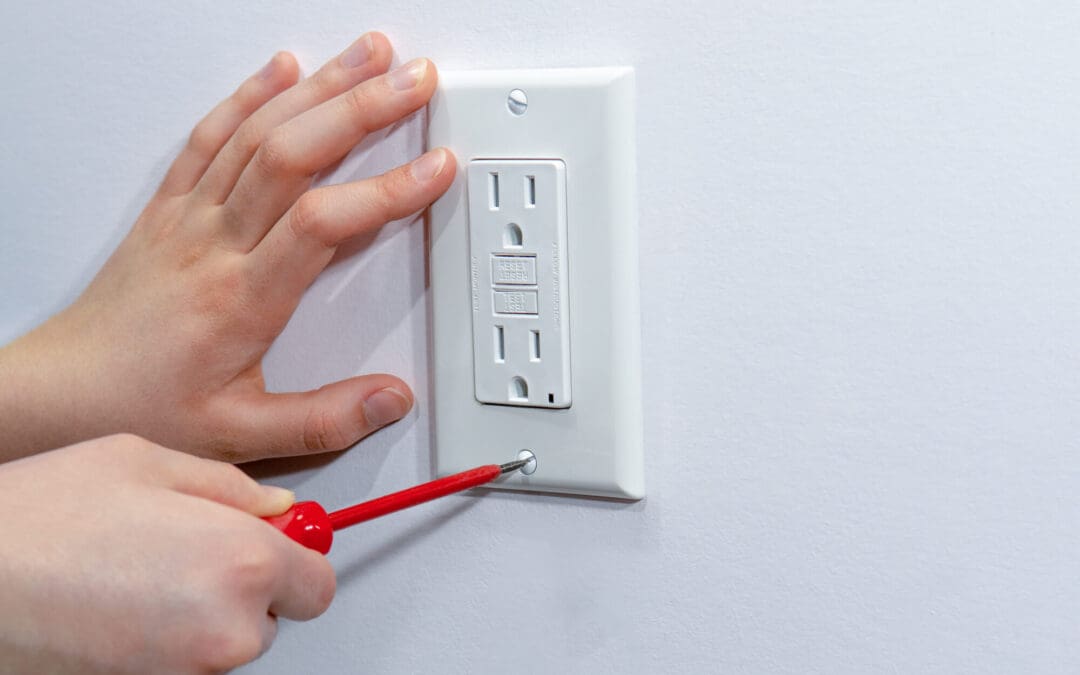
The intersection of water and electricity creates the most acute electrical safety risks in a residential home, and wet areas deserve specific attention in any electrical safety assessment. Ground fault circuit interrupter (GFCI) protection is required in bathrooms, kitchens, garages, outdoor outlets, and unfinished basements. Testing it monthly with the built-in test button confirms it’s functional. A GFCI that doesn’t trip when tested is a failed GFCI and should be replaced. Older homes that predate these code requirements are worth upgrading. Hair dryers, curling irons, and other personal care appliances used near sinks are a persistent electrical safety risk because familiar environments reduce attention to risk. An appliance that falls into water while plugged in can electrify the water and any person in contact with it. Unplugging personal care appliances immediately after use is the consistent habit that addresses this risk completely.
Frequently Asked Questions (FAQs)
What are the most common causes of residential electrical fires?
The most common causes are faulty wiring, extension cords and power strips used beyond their capacity, and lighting and appliance equipment. Overloaded circuits, damaged wiring, and appliances with deteriorated cords are the specific conditions behind most incidents.
How do I know if my home’s wiring is safe?
A home inspection or dedicated electrical inspection by a licensed electrician is the most reliable way to assess electrical safety. Observable warning signs include frequently tripping breakers, outlets or switch plates warm to the touch, lights that dim when appliances run, outlets that spark when devices are plugged in, and a persistent burning smell without an identifiable source. Any of these should prompt professional assessment.
At what age should I consider having my home’s electrical system inspected?
A professional electrical inspection is worth having when purchasing a home, when the panel hasn’t been assessed in more than ten years, when significant renovations have added load to the system, or when any warning signs are present. Homes built before 1980 may have aluminum branch circuit wiring, outdated panel types, or wiring that predates modern electrical safety requirements, all reasons for a thorough assessment regardless of apparent function.
Are power strips a safe alternative to adding outlets?
Power strips are appropriate for low-draw electronics through a properly rated strip with surge protection. They’re not appropriate for high-draw appliances like space heaters, air conditioners, or microwaves. The electrical safety rule: surge-protected strips for electronics, dedicated circuits for high-draw appliances, and no daisy-chaining of power strips under any circumstances.
What should I do if I experience an electrical shock at home?
A minor shock is a warning that should be taken seriously. Unplug the device that caused it and don’t use it until inspected or replaced. If the shock came from an outlet, don’t use that outlet and have an electrician assess it. Any shock causing muscle contraction, loss of consciousness, or difficulty breathing should be treated as a medical emergency; call 911, as internal effects can develop after the initial incident.
CheckPoint Property Inspections offers home inspection services to buyers and sellers in Burlington, Vermont, and surrounding areas. Contact us to schedule an appointment.