
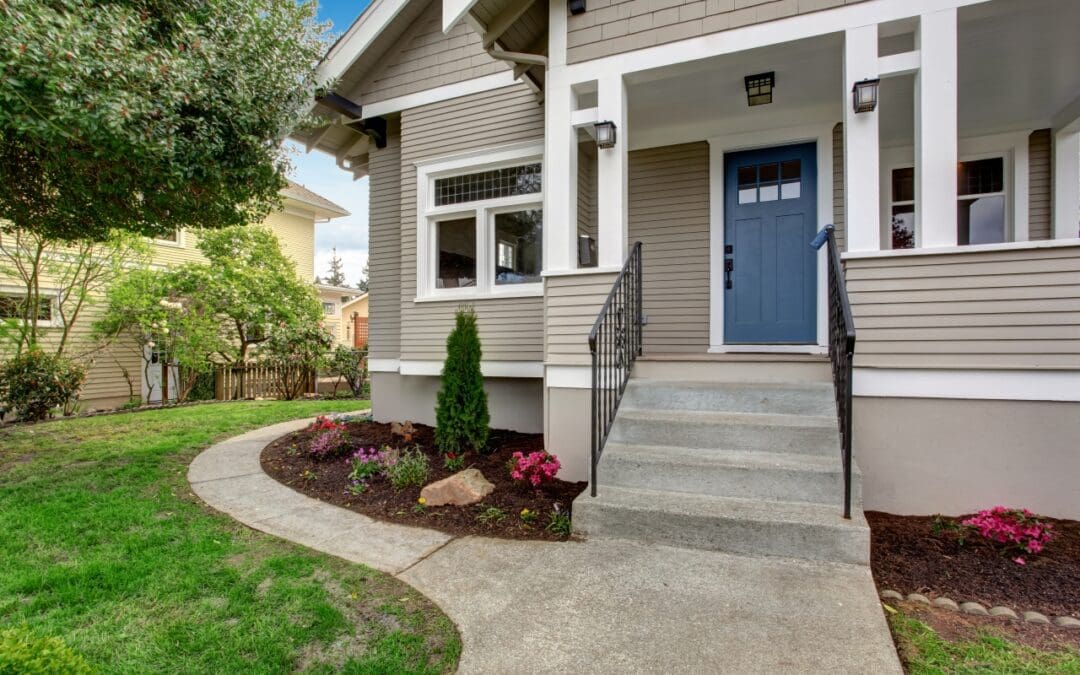
The builder warranty that came with your home almost certainly includes a workmanship and materials coverage period, and when that period expires, the responsibility for addressing those defects shifts from the builder to you. An 11th-month warranty inspection ensures you know what’s worth claiming before that window closes, giving you the professional documentation to back up every request.
What a Warranty Inspection Covers and Why Timing Matters
A warranty inspection performed in month eleven captures the conditions that a full year of occupancy, weather cycling, and system operation have revealed. A home that passed the final walkthrough may have developed HVAC imbalance issues in its first summer, visible settling cracks in its first winter, moisture conditions that appeared after several rain events, and installation errors only apparent when systems were used under real conditions. The timing is not arbitrary. Most builder warranties cover workmanship and materials for the first year, with separate periods for mechanical systems and structural components. Scheduling an inspection at eleven months allows time for the inspection, the report review, and a formal claim submission while coverage is still active. A professional warranty inspection is not the same as a self-conducted walkthrough. A trained inspector evaluates accessible major systems and components with tools, reference standards, and experience to identify conditions an untrained eye misses, producing a written report with photographs and clear descriptions. That documentation gives the warranty claim credibility and gives the builder a specific, itemized list of conditions to address.
The Warranty Inspection Finds What a Year of Living Reveals
The conditions most commonly identified in an 11th-month warranty inspection are those that develop over time rather than those present at move-in. Drywall nail pops and settling cracks are among the most consistent inspection findings. As framing lumber dries and the structure settles, fasteners back out and cracks develop at stress points, particularly at corners of door and window openings. These are warrantable when documented during the coverage period. HVAC performance issues that weren’t apparent at move-in are another category the warranty inspection reliably captures. A system that functions but doesn’t distribute air evenly, or that struggles to maintain the set temperature under peak load, may have duct installation deficiencies or airflow imbalances that are warrantable under mechanical systems coverage. Identifying these during the warranty period creates the basis for requiring correction before the coverage window closes.
Using the Inspection Report to Protect Your Investment
The warranty inspection report converts observations into leverage. Presenting inspection findings to the builder in writing, with the professional report attached, creates a documented record of the claim submission date and the specific conditions being claimed. This record matters if the builder disputes timing, challenges the existence of a condition, or delays responding until coverage has lapsed. A report dated within the coverage period and submitted in writing provides the paper trail that protects the homeowner’s position through every subsequent conversation. Prioritizing findings before submitting the claim is worth the time. Not every warranty inspection finding carries equal weight; structural issues, system performance deficiencies, and moisture conditions are the highest priority items. Understanding which findings represent the most significant financial exposure helps focus the conversation on what matters most.
Frequently Asked Questions (FAQs)
When exactly should I schedule my warranty inspection?
Between ten and eleven months after closing is the ideal window, early enough to complete the inspection, review the report, and submit a formal claim before coverage ends.
Does the builder have to fix everything the warranty inspection finds?
Not necessarily; the warranty document defines what is and isn’t covered, and terms vary by builder and state. Most workmanship warranties cover installation defects and materials failures within the coverage period, not normal wear, cosmetic conditions within defined tolerance ranges, or conditions caused by the homeowner. Reading the warranty document before the inspection ensures the claim focuses on conditions the warranty actually covers.
What if the builder is unresponsive to my inspection findings?
Document everything in writing: every communication, every response or non-response, and every date. Most states have consumer protection statutes and contractor licensing regulations that provide escalation avenues. Some warranties include mandatory arbitration provisions; others allow the homeowner to pursue repair costs through civil court if the builder fails to honor documented warrantable claims. Consulting a construction attorney before escalating is advisable in any significant dispute.
Can I conduct the warranty inspection myself instead of hiring a professional?
You can walk through the home yourself, but a self-conducted review lacks the trained eye, tools, and professional documentation that make a warranty inspection report credible to a builder. An inspector identifies conditions in the attic, crawl space, HVAC system, and electrical panel that a homeowner walkthrough would likely miss.
How is an 11th-month warranty inspection different from the initial home inspection?
The initial inspection captured the home’s condition at a single point in time, before a full year of occupancy and system operation. The warranty inspection captures what that year revealed, such as settling cracks, HVAC performance issues, moisture conditions, and installation deficiencies only apparent under real conditions. The initial inspection informs the purchase decision; the warranty inspection protects the investment after the purchase is complete.
CheckPoint Property Inspections offers home warranty inspection services to buyers and sellers in Burlington, Vermont, and surrounding areas. Contact us to schedule an appointment.