
Heating your home is essential for staying comfortable during the colder months, but it doesn’t have to come with sky-high energy bills. When you focus on ways to heat your home efficiently, you’re really looking at a combination of smart habits, strategic upgrades, and maximizing the system you already have. Homeowners often assume that saving energy means sacrificing comfort, but the truth is, the proper adjustments can actually make your home feel warmer while using less energy. Heating a home efficiently involves understanding heat flow, insulation, air movement, and how different systems perform.
Simple Daily Habits to Heat Your Home Efficiently
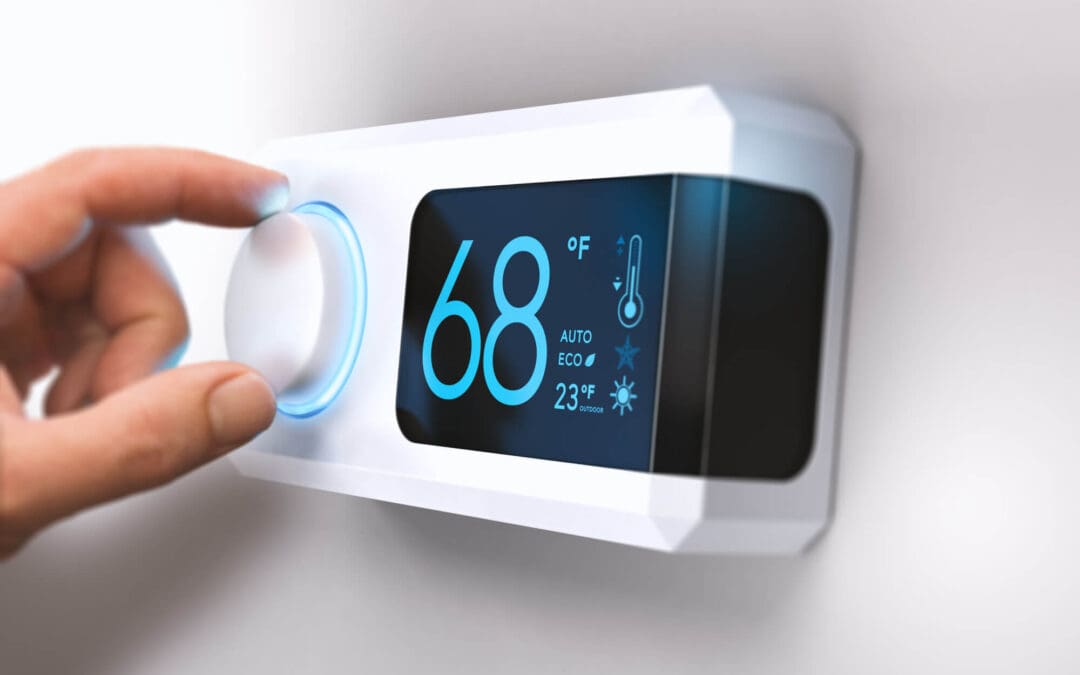
Before undertaking significant home improvements, assess your daily routine to ensure you can manage the changes effectively. Small habits make a surprisingly big difference when your goal is to heat your home efficiently. Managing your thermostat is one of the most straightforward steps to take. Lowering the temperature at night or when you’re away helps your system work less without leaving you feeling cold. A programmable thermostat could automate these changes and deliver consistent savings. Another habit to focus on is taking advantage of natural heat. Opening curtains during sunny hours lets warmth in naturally, while closing them at night helps reduce heat loss. Even shifting furniture away from vents and radiators improves airflow, allowing warm air to circulate rather than being absorbed by a couch or blocked by a table. The goal is to let your existing heating system work smarter, not harder.
Improving Home Insulation to Heat Your Home Efficiently
No matter how powerful your heating system is, it struggles if the warm air escapes as quickly as it’s produced. Insulation is one of the most effective ways to heat your home efficiently because it acts as a barrier that keeps conditioned air where it belongs. Many homes lose heat through the attic, basement, and exterior walls, and these gaps will force your furnace or heat pump to run longer than necessary. Start by checking attic insulation, as this area often produces the biggest return on investment. Weatherstripping around doors and sealing gaps around windows keeps drafts at bay and maintains a consistent temperature throughout your home. Improving insulation boosts comfort. Rooms that once felt chilly or unevenly heated can become some of the coziest spaces in the house.
System Efficiency Matters When You Want to Heat Your Home Efficiently
Your heating system is the engine behind your home’s warmth, so keeping it in top condition is crucial if you want to heat your home efficiently. Regular maintenance, such as replacing filters and scheduling annual inspections, keeps equipment running smoothly and will uncover small issues before they turn into larger repairs. If your system is older or has trouble maintaining a stable temperature, it may be worth exploring modern, energy-efficient options. Heat pumps, high-efficiency furnaces, and hybrid systems provide reliable comfort while consuming significantly less energy. Even if you’re not ready for a complete upgrade, small add-ons like smart thermostats or improved ductwork contribute to better performance and consistent temperature control.
Energy-Saving Upgrades That Support Heating Efficiency
When considering long-term strategies to heat your home efficiently, consider upgrades that enhance your home’s ability to retain and distribute warmth. Double-pane windows reduce heat loss and improve indoor comfort. Radiant floor heating provides an even, consistent warmth that many homeowners love. Even something as simple as adding door sweeps or upgrading window treatments will help your home feel warmer without turning up the heat. It’s also helpful to consider the energy mix in your area. If your home can benefit from solar energy, integrating solar heating elements or utilizing solar power to offset electricity costs can be an eco-friendly and cost-effective choice.
Creating a Comfortable Home While Keeping Costs Down
Heating your home efficiently doesn’t mean lowering your standards or bundling up indoors. It’s about making wise, intentional choices that reduce energy waste while keeping your home warm and welcoming. By improving insulation, maintaining your system, adopting smart habits, and investing in strategic upgrades, you will enjoy a comfortable home all winter long without worrying about rising energy bills. The more you understand your home’s heating needs, the easier it becomes to fine-tune your approach. With thoughtful planning and a focus on efficiency, creating a warm, cozy home is more achievable than ever.
Frequently Asked Questions (FAQs)
How can I tell if my home is losing heat?
If certain rooms feel colder, if you notice drafts near windows or doors, or if your energy bills seem unusually high, your home may be losing heat through gaps, poor insulation, or inefficient windows.
What temperature should I set my thermostat to save energy?
Many experts recommend setting your thermostat to around 68 degrees during the day and lowering it when you’re sleeping or away from home.
Is it worth upgrading to an energy-efficient heating system?
If your current system is more than fifteen years old or requires frequent repairs, upgrading will offer major benefits. Newer models consume less energy while providing more consistent heat.
CheckPoint Property Inspections offers home inspection services to buyers and sellers in Burlington, Vermont, and surrounding areas. Contact us to schedule an appointment.
Recent Comments