
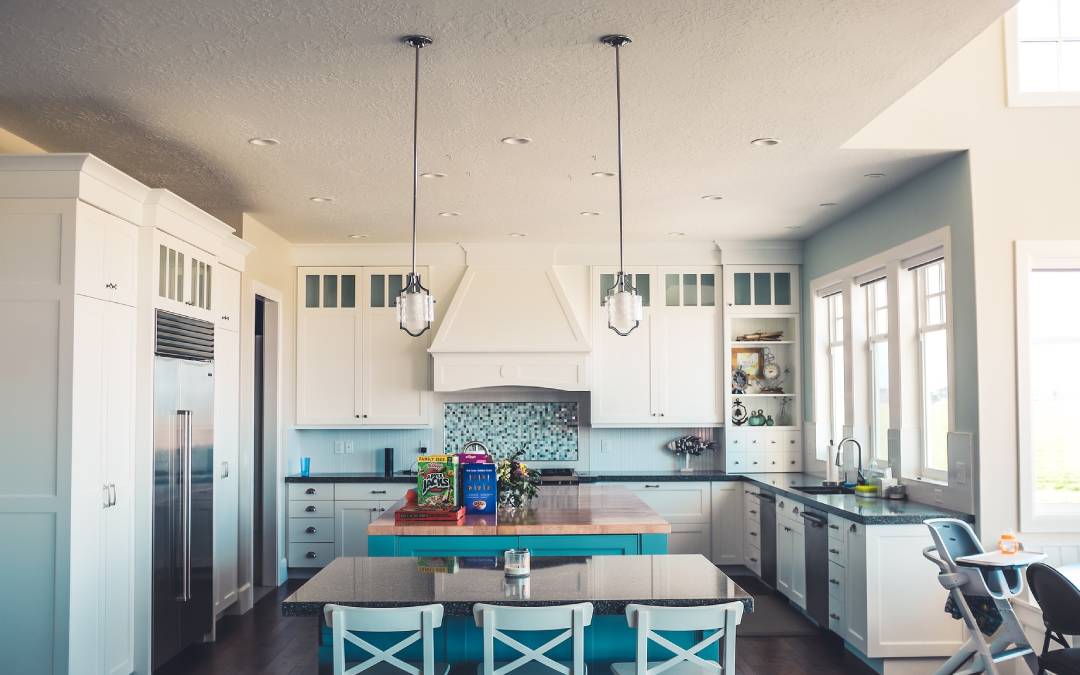
Great interior design improves how a space feels and functions every day. Thoughtful design choices will transform ordinary rooms into inviting environments that reflect personal style while maximizing comfort and practicality. Many homeowners believe interior design requires a large budget or professional help, but small adjustments often create the biggest impact. From selecting the right colors to arranging furniture effectively, a few strategic decisions can dramatically elevate a home’s appearance and usability. The following interior design tips offer practical guidance that helps homeowners create balanced, stylish, and functional spaces without unnecessary complexity.
Start with a Clear Interior Design Vision
Successful interior design begins with a clear plan. Before purchasing furniture or décor, it helps to determine the desired atmosphere for each room. Some homeowners prefer a cozy, traditional feel, while others lean toward modern minimalism or rustic charm. Looking at inspiration from magazines, online galleries, or showrooms will help clarify style preferences. Once a vision forms, maintaining consistency throughout the home becomes much easier. Consistent color palettes, textures, and materials help create a cohesive flow from room to room.
Use Color to Shape the Mood
Color plays one of the most powerful roles in interior design. The right color scheme could make rooms feel larger, brighter, calmer, or more energetic. Neutral shades such as whites, beiges, and soft grays create a timeless foundation that works well in most homes. These tones allow furniture and accessories to stand out without overwhelming the space. Accent colors add personality and visual interest. A bold sofa, patterned rug, or painted accent wall can energize a room while maintaining balance. Thoughtful design often uses a combination of neutral backgrounds and carefully chosen pops of color.
Interior Design Layout Matters
One common mistake in interior design is focusing too much on individual furniture pieces rather than on how everything works together in a space. Furniture layout determines how comfortable and functional a room feels. Living areas should encourage conversation and easy movement. Placing seating around a central point, such as a coffee table or focal wall, often creates a welcoming arrangement. In smaller rooms, avoiding overcrowding is essential. Leaving space between furniture allows the room to breathe and appear more open. Emphasize flow and accessibility rather than simply filling every corner. Sometimes removing a piece of furniture improves a room more than adding one.
Lighting Is a Key Element of Interior Design
Lighting dramatically influences how a room looks and feels. Ambient lighting provides overall illumination, typically from ceiling fixtures. Task lighting supports specific activities such as reading or cooking, often through table lamps or under-cabinet lights. Accent lighting highlights architectural features, artwork, or decorative elements. Combining these layers creates depth and warmth. Rooms with only one light source often feel flat and less inviting. By contrast, layered lighting brings visual interest and comfort. Natural light should also be maximized whenever possible. Sheer curtains or strategically placed mirrors will help distribute daylight more effectively throughout the room.
Add Personality Through Texture and Décor
Texture is an often-overlooked component of design, yet it adds richness and character to a space. Combining materials such as wood, metal, fabric, glass, and stone prevents a room from feeling flat or repetitive. A soft rug, woven throw blanket, or velvet cushions will instantly make a room feel warmer and more inviting. Decorative elements should reflect personality without overwhelming the space. Artwork, books, plants, and personal collections add individuality and make a house feel like a home. In interior design, balance is important. Too many decorations may create clutter, while too few may leave a space feeling unfinished.
Keep Functionality at the Center of Interior Design
Interior design works best when aesthetics and functionality support each other. Storage solutions are especially important for maintaining a clean and organized environment. Built-in shelves, multifunctional furniture, and hidden storage compartments help reduce visual clutter. Rooms should also match how they are used daily. For example, families with children or pets often benefit from durable fabrics and easy-to-clean surfaces. Thoughtful interior design always considers real-life living habits rather than focusing purely on appearance.
Refresh Spaces with Small Interior Design Updates
Homeowners sometimes assume a full renovation is necessary to improve interior design, but small updates can produce dramatic results. Changing throw pillows, replacing outdated light fixtures, updating cabinet handles, or adding a new rug will instantly refresh a room. Even rearranging furniture or introducing indoor plants creates a noticeable transformation. Interior design evolves, and periodic small changes keep a home feeling fresh and inspiring without major expense.
Frequently Asked Questions (FAQs)
What is the most important rule in interior design?
The most important rule in interior design is balance. Colors, furniture, lighting, and décor should work together harmoniously so that no single element overwhelms the room.
How can homeowners improve interior design on a budget?
Budget-friendly improvements include repainting walls, rearranging furniture, updating lighting fixtures, adding plants, and incorporating new textiles such as cushions or rugs.
How do you make small rooms look bigger?
Using light colors, mirrors, and minimal furniture can make small rooms appear larger. Proper lighting and leaving open floor space also help create a more spacious feel.
How often should design be updated?
There is no strict timeline. Many homeowners refresh small elements every few years while making larger interior design updates when furniture wears out or style preferences change.
Do all rooms need to follow the same style?
Rooms do not need identical styles, but maintaining some consistent elements, such as color palettes or materials, helps create a cohesive flow throughout the home.
CheckPoint Property Inspections offers home inspection services to buyers and sellers in Burlington, Vermont, and surrounding areas. Contact us to schedule an appointment.