
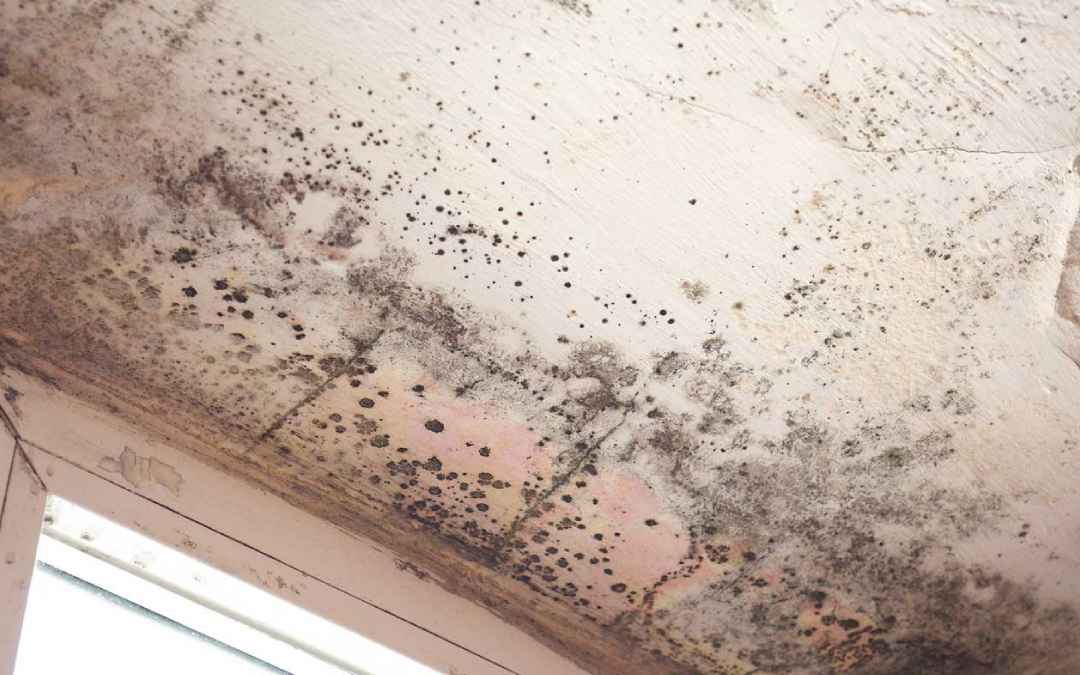
Prevent Mold Growth: Why Early Action Matters
To prevent mold growth in the home, it’s essential to understand what mold needs to thrive. Mold spores are naturally present in the air, both indoors and outdoors. When they land on damp surfaces, they can begin growing within 24 to 48 hours. That means even a small leak, condensation around windows, or high humidity levels can create the perfect breeding ground.
Homeowners often underestimate how quickly mold can spread behind walls, under flooring, or inside HVAC systems. Beyond causing musty odors and unsightly stains, mold can damage structural materials and negatively impact indoor air quality. The good news is that with proactive steps and consistent maintenance, it’s entirely possible to prevent mold growth and protect both your home and your health.
Control Moisture to Prevent Mold Growth
Moisture control is the single most important factor when trying to prevent mold growth. Mold cannot grow without water, so eliminating excess moisture dramatically reduces the risk.
Start by addressing leaks immediately. Roof leaks, plumbing drips under sinks, and foundation cracks should never be ignored. Even slow leaks can saturate drywall and insulation over time. Inspect bathrooms, kitchens, basements, and laundry rooms regularly, as these areas are especially prone to humidity and water exposure.
Humidity levels inside the home should ideally remain between 30 and 50 percent. A hygrometer can help monitor indoor humidity, and a dehumidifier can be used in damp areas such as basements. Air conditioners also help regulate moisture during warmer months. Proper drainage around the home is equally important. Ensure gutters and downspouts direct water away from the foundation to prevent water intrusion.
Improve Ventilation Throughout the Home
Proper ventilation plays a critical role in maintaining balanced humidity and air circulation. Without adequate airflow, moisture lingers and creates conditions where mold can flourish.
Bathrooms and kitchens should always have functioning exhaust fans that vent to the exterior, not into the attic. Running these fans during and after showers or cooking helps remove excess humidity. In colder climates, condensation can form on windows and walls. Keeping interior doors open and using ceiling fans can help improve air movement and reduce moisture buildup.
Attics and crawl spaces should also be well ventilated. Poor ventilation in these areas often leads to trapped moisture, especially in regions with seasonal temperature changes. Regular inspections can help identify issues before they turn into costly repairs.
Prevent Mold Growth With Smart Cleaning Habits
Routine cleaning and maintenance are simple yet powerful tools to prevent mold growth. Surfaces that frequently come into contact with water, such as shower walls, tubs, and sinks, should be wiped down regularly. Allowing them to dry completely reduces the opportunity for mold spores to settle and multiply.
Carpets and upholstery should be kept dry. If flooding or spills occur, dry affected areas within 24 to 48 hours. Wet materials that remain damp for extended periods often need to be removed and replaced. Using mold-resistant products, such as mildew-resistant paint in bathrooms or mold-resistant drywall in moisture-prone areas, can add an extra layer of protection.
Keeping the home clean also reduces dust and organic debris that mold feeds on. Regular vacuuming with a HEPA filter and dusting surfaces can contribute to healthier indoor air quality.
Address Problem Areas Before They Escalate
Some areas of the home are naturally more vulnerable to mold. Basements, for example, tend to have higher humidity levels due to their location below ground. Ensuring proper waterproofing, sealing cracks, and installing a sump pump when necessary can make a significant difference.
Laundry rooms can also pose risks if dryers are not properly vented to the outside. A disconnected dryer vent can release warm, moist air into enclosed spaces, creating ideal mold conditions. Similarly, refrigerators, dishwashers, and washing machines should be checked periodically for hidden leaks.
Seasonal maintenance is another important strategy. After heavy rainstorms, inspect the roof and attic for signs of water intrusion. During winter, watch for ice dams that may lead to roof leaks. Consistent monitoring helps prevent mold growth before it has a chance to take hold.
Long-Term Strategies
Long-term prevention requires a combination of awareness and routine upkeep. Investing in quality insulation reduces condensation on walls and ceilings. Sealing windows and doors prevents unwanted moisture from entering. Landscaping should slope away from the home’s foundation to avoid water pooling.
Homeowners who live in humid climates may benefit from whole-house dehumidification systems integrated into HVAC systems. Regular HVAC maintenance, including cleaning coils and replacing filters, ensures optimal airflow and moisture control.
Ultimately, the effort to prevent mold growth is far less costly than remediation. Mold removal can involve tearing out drywall, replacing flooring, and professional cleaning services. Proactive prevention protects not only the structure of the home but also its value.
FAQs About How to Prevent Mold Growth
How quickly can mold grow after water damage?
Mold can begin growing within 24 to 48 hours after water exposure. That is why it is crucial to dry any wet areas immediately and address the source of moisture as soon as possible.
What are the most common places mold develops in a home?
Mold commonly appears in bathrooms, basements, kitchens, attics, crawl spaces, and around windows. Any area with consistent moisture or poor ventilation is at higher risk.
Can mold grow in a clean home?
Yes. Even a clean home can develop mold if moisture levels are high. Cleanliness helps reduce organic material that mold feeds on, but controlling humidity and leaks is the most important factor.
Is it necessary to hire a professional to prevent mold growth?
Not usually. Most prevention strategies involve routine maintenance, moisture control, and proper ventilation. However, if a home has extensive water damage or recurring mold problems, professional assessment may be beneficial.
What humidity level helps prevent mold growth?
Keeping indoor humidity between 30 and 50 percent is ideal. Monitoring levels with a hygrometer and using dehumidifiers when needed can significantly reduce mold risk.
By staying proactive and attentive to moisture control, homeowners can confidently prevent mold growth and maintain a safer, healthier living environment year-round.
CheckPoint Property Inspections offers home inspection services to buyers and sellers in Burlington, Vermont, and surrounding areas. Contact us to schedule an appointment.
Recent Comments